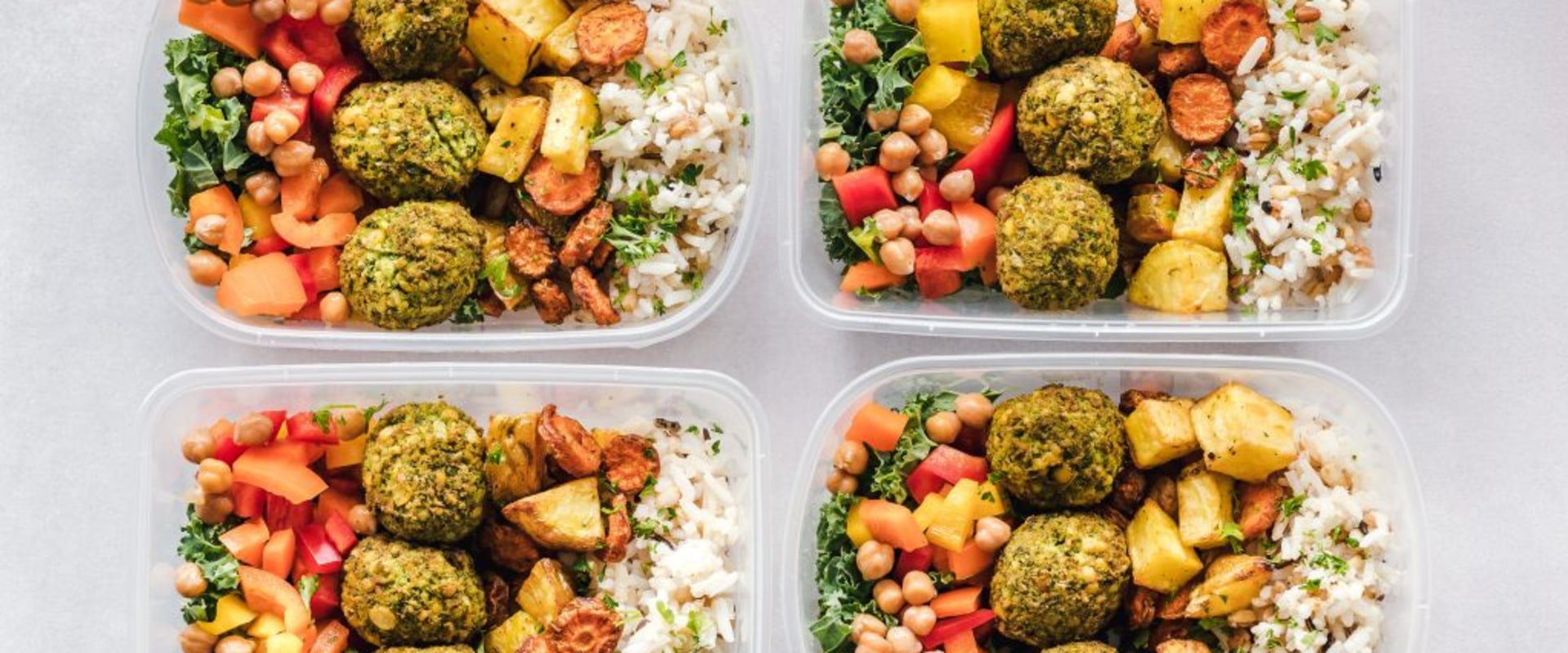
Meal planning is a strategic approach to organizing your meals in advance, allowing you to make intentional choices about what you eat. At its core, meal planning involves selecting recipes, creating a shopping list, and preparing meals ahead of time. This practice not only streamlines your grocery shopping but also plays a crucial role in Meal planning is a strategic approach to organizing your meals in advance, allowing you to make intentional choices about what you eat. At its core, meal planning involves selecting recipes, creating a shopping list, and preparing meals ahead of time. This practice not only streamlines your grocery shopping but also plays a crucial role in saving money and fostering healthier eating habits. By taking the time to plan your meals, you can avoid the pitfalls of last-minute decisions that often lead to unhealthy takeout or impulse buys at the grocery store. The benefits of meal planning extend far beyond just financial savings.
When you plan your meals, you gain control over your diet, enabling you to incorporate a variety of nutritious foods while minimizing waste. This intentionality helps you avoid repetitive meals and encourages culinary creativity. For beginners, meal planning can seem daunting, but it is a skill that can be developed over time. Starting with simple recipes and gradually expanding your repertoire can make the process enjoyable and rewarding. Moreover, meal planning empowers you to make healthier choices by allowing you to prioritize whole foods over processed options.
By preparing meals in advance, you can ensure that you have balanced options readily available, reducing the temptation to reach for unhealthy snacks or fast food when hunger strikes. As you become more familiar with the process, you'll find that meal planning not only saves you money but also enhances your overall well-being by promoting mindful eating practices.
The Financial Benefits of Meal Planning
Meal planning is not just a strategy for healthier eating; it is also a powerful tool for saving money. By taking the time to plan your meals, you can significantly reduce your grocery expenses and make your budget stretch further. Here are some key financial benefits of meal planning:-
Lower Grocery Bills: When you create a meal plan, you can compile a precise shopping list based on the ingredients you need.
This focused approach helps you avoid buying unnecessary items, which can quickly add up. By sticking to your list, you can keep your grocery bills in check.
- Minimized Food Waste: One of the biggest contributors to wasted money in households is food waste. Meal planning allows you to use what you already have in your pantry and fridge, ensuring that perishable items are consumed before they spoil. This not only saves money but also contributes to a more sustainable lifestyle.
-
Prevention of Impulse Purchases: Without a plan, it’s easy to make impulse buys that can derail your budget.
Meal planning encourages you to shop with intention, reducing the likelihood of purchasing items that aren’t part of your meal strategy.
- Set a Weekly Budget: Determine how much you can afford to spend on groceries each week. This will help guide your meal planning and shopping decisions.
- Take Advantage of Sales and Discounts: Keep an eye on weekly grocery store ads and plan meals around items that are on sale. This not only saves money but also allows you to try new recipes.
- Buy in Bulk: For non-perishable items or ingredients that you frequently use, buying in bulk can lead to significant savings. Just ensure that you have a plan for using these items before they expire.
By implementing these strategies, you can enjoy delicious meals while keeping your finances in check.
How to Get Started with Meal Planning
Starting your journey into meal planning can seem daunting, but with a structured approach, it becomes an enjoyable and rewarding experience. Here’s a step-by-step guide to help you get started effectively.1.Gather Your Tools
- Meal Planning Template: Create or download a meal planning template that suits your style. This could be a simple spreadsheet, a printable planner, or even a dedicated app.
- Cooking Supplies: Ensure you have essential kitchen tools like measuring cups, cutting boards, and storage containers for leftovers.
- Grocery List: Keep a notepad or digital note handy to jot down items as you run out of them throughout the week.
2.Assess Your Current Inventory
Before planning your meals, take stock of what you already have in your pantry and refrigerator. This helps you avoid unnecessary purchases and allows you to incorporate existing ingredients into your meal plan.
3.Choose Your Meals
Select recipes that align with your dietary preferences and budget.
Aim for a mix of proteins, vegetables, and whole grains. Consider the following:
- Variety: Incorporate different cuisines and cooking methods to keep meals exciting.
- Batch Cooking: Choose recipes that can be made in larger quantities, allowing for leftovers that can be repurposed for lunches or dinners later in the week.
4.Create Your Meal Plan
Using your template, outline your meals for the week. Be sure to include breakfast, lunch, dinner, and snacks. This not only helps in organizing your shopping list but also ensures you have balanced meals throughout the week.
5.Make a Shopping List
Based on your meal plan, compile a shopping list categorized by sections of the grocery store (produce, dairy, meats, etc.).
This will streamline your shopping experience and help you stick to your budget.
6.Prep Ahead
If possible, dedicate some time on the weekend or a day off to prep ingredients. Chop vegetables, marinate proteins, or cook grains in advance. This will save time during busy weekdays and make it easier to stick to your meal plan.
7.Stay Flexible
While having a plan is essential, life can be unpredictable. Be prepared to adjust your meals based on unexpected events or cravings.
Having a few quick recipes on hand can help you stay on track without feeling overwhelmed. By following these steps, you'll not only streamline your cooking process but also save money by reducing food waste and avoiding last-minute takeout orders.
Choosing Healthy Ingredients for Your Meal Plan
When it comes to meal planning , choosing the right ingredients is crucial for creating nutritious meals that align with your dietary preferences and health goals. By focusing on healthy ingredients, you not only enhance the quality of your meals but also contribute to your overall well-being while keeping your budget in check. To start, consider incorporating a variety of food groups into your meal plan. This ensures that you receive a balanced intake of essential nutrients. Here are some key categories to focus on:-
Fruits and Vegetables: Aim for a colorful assortment of fruits and vegetables.
They are rich in vitamins, minerals, and antioxidants. Seasonal produce is often more affordable and fresher, so check local farmers' markets or grocery store sales for the best deals.
- Whole Grains: Opt for whole grains like brown rice, quinoa, and whole wheat pasta. These options are not only more nutritious than their refined counterparts but also provide lasting energy and fiber, which can help you feel full longer.
- Lean Proteins: Incorporate sources of lean protein such as chicken breast, turkey, fish, beans, and legumes. These foods are essential for muscle repair and growth while being lower in saturated fats compared to red meats.
-
Dairy or Dairy Alternatives: Choose low-fat dairy products or fortified plant-based alternatives to ensure adequate calcium and vitamin D intake.
Options like Greek yogurt or almond milk can be both nutritious and budget-friendly.
- Buy in Bulk: Purchasing items like grains, nuts, and seeds in bulk can significantly reduce costs. Just be sure to store them properly to maintain freshness.
- Plan Around Sales: Check weekly grocery store flyers for discounts on healthy items. Planning your meals around these sales can help you save money while still eating well.
-
Limit Processed Foods: While convenient, processed foods often come with higher price tags and lower nutritional value.
Focus on whole foods that require minimal processing.
Creative Meal Ideas to Maximize Savings
When it comes to saving money while enjoying delicious meals, creativity is key. Here are some budget-friendly meal ideas that not only utilize affordable ingredients but also encourage you to think outside the box when it comes to using leftovers.1.One-Pot Wonders
One-pot meals are a fantastic way to save both time and money.By combining various ingredients into a single pot, you can create hearty dishes that stretch your budget. Consider making:
- Vegetable and Bean Chili: Use canned beans, seasonal vegetables, and spices to whip up a filling chili. This dish is not only economical but also packed with nutrients.
- Pasta Primavera: Toss together pasta with whatever vegetables you have on hand, a splash of olive oil, and some garlic for a quick and satisfying meal.
- Rice and Lentil Pilaf: Combine rice with lentils, onions, and spices for a protein-rich dish that can be served as a main course or side.
2.Creative Leftover Transformations
Leftovers don’t have to be boring! With a little creativity, you can transform yesterday’s meals into something new and exciting:- Taco Night: Use leftover grilled chicken or beef in tacos. Add fresh toppings like lettuce, tomatoes, and cheese for a fun twist.
- Frittatas: Whisk together eggs and mix in leftover vegetables or meats for a quick frittata that makes for an excellent breakfast or lunch option.
-
Soup Base: Take leftover roasted vegetables and blend them into a creamy soup.
Add broth and seasonings for a comforting meal.
3.Batch Cooking for Savings
Batch cooking is an effective strategy for maximizing savings while minimizing food waste. Prepare large quantities of meals that can be easily frozen or refrigerated:- Casseroles: Make a large casserole using affordable ingredients like pasta, rice, or potatoes combined with vegetables and protein sources.
- Stews: Cook up a big pot of stew using inexpensive cuts of meat and root vegetables. Portion it out for easy meals throughout the week.
- Smoothie Packs: Pre-portion fruits and greens into freezer bags for quick smoothie preparation. This helps reduce food spoilage while providing healthy options.
Meal Planning Tools and Resources
Effective meal planning can be significantly enhanced with the right tools and resources.Whether you are a novice or a seasoned planner, utilizing various apps, websites, and kitchen gadgets can streamline your process and make it more enjoyable.
Meal Planning Apps
In today’s digital age, meal planning apps have become indispensable for many. Here are some top recommendations:- Mealime: This app allows users to create personalized meal plans based on dietary preferences and restrictions. It generates a shopping list based on the selected recipes, making grocery shopping a breeze.
- Paprika: Paprika is not just a meal planner; it also serves as a recipe manager. Users can save recipes from the web, create meal plans, and generate grocery lists all in one place.
-
Yummly: Yummly offers a vast database of recipes tailored to your tastes.
Its smart shopping list feature helps you keep track of what you need to buy, ensuring you save money by avoiding unnecessary purchases.
Resources for Meal Prep
In addition to apps, there are numerous online resources that can assist with meal prep:- Blogs and Websites: Websites like Budget Bytes and The Kitchn provide budget-friendly recipes and meal prep tips that cater to various dietary needs.
- YouTube Channels: Channels such as Mind Over Munch offer visual guides on meal prepping, making it easier to understand portion sizes and cooking techniques.
- Social Media Groups: Joining Facebook groups or following Instagram accounts dedicated to meal planning can provide inspiration and community support.
Kitchen Tools for Meal Planning
No meal planning setup is complete without the right kitchen tools. Consider investing in the following:- Meal Prep Containers: Durable, stackable containers help keep your meals organized and make it easy to grab-and-go during busy weekdays.
- Crock-Pot or Instant Pot: These appliances allow for easy cooking of large batches of meals, which can be portioned out for the week ahead.
- Food Scale: A food scale is essential for accurate portioning, helping you stick to your meal plan while managing your budget effectively.
Overcoming Common Meal Planning Challenges
Embarking on a meal planning journey can be incredibly rewarding, but it often comes with its own set of challenges. Understanding these obstacles and finding effective strategies to overcome them is essential for maintaining a successful meal planning routine.1.Time Constraints
One of the most common hurdles people face is the perception that meal planning requires a significant time investment. However, with a few smart strategies, you can streamline the process:
-
Set Aside a Specific Time: Dedicate a specific day and time each week for meal planning.
This could be Sunday afternoons or any time that fits your schedule. Consistency will help you build the habit.
- Batch Cooking: Prepare larger quantities of meals that can be easily reheated throughout the week. This not only saves time but also ensures you have healthy options readily available.
- Use Technology: Leverage meal planning apps or online tools that can help you organize recipes, create shopping lists, and even track your pantry inventory.
2.Recipe Fatigue
Eating the same meals repeatedly can lead to boredom and burnout. To keep your meal planning exciting:
-
Diverse Recipe Sources: Explore various cookbooks, food blogs, and social media platforms for new recipes.
This will introduce you to different cuisines and cooking styles.
- Themed Nights: Consider implementing themed dinner nights, such as Taco Tuesday or Meatless Monday, to add variety while simplifying your planning process.
- Involve Family Members: Encourage family members to suggest their favorite meals or even participate in cooking. This not only diversifies your menu but also makes meal prep a fun family activity.
3.Ingredient Overwhelm
When starting out, the sheer number of ingredients can be daunting. To simplify this:
- Stick to Staples: Focus on a core set of staple ingredients that can be used in multiple recipes. Items like rice, beans, and seasonal vegetables are versatile and budget-friendly.
-
Create a Master List: Develop a master list of your go-to ingredients and recipes.
This will make it easier to plan meals without feeling overwhelmed by choices.
Frequently Asked Questions about Meal Planning
Meal planning can seem daunting at first, but it’s a powerful tool for anyone looking to save money and eat healthier. Here are some frequently asked questions that can help clarify common misconceptions and provide additional tips for effective meal planning.What is meal planning?
Meal planning involves preparing a schedule for your meals in advance. This can include deciding what to cook for the week, creating a shopping list based on those meals, and even prepping ingredients ahead of time. The goal is to streamline your cooking process, reduce food waste, and ultimately save money.How does meal planning help me save money?
By planning your meals, you can:- Reduce impulse purchases: When you have a clear list of what you need, you’re less likely to buy unnecessary items.
- Take advantage of sales: Planning allows you to buy items on sale or in bulk, which can significantly lower your grocery bill.
- Avoid food waste: By using what you already have and planning meals around perishable items, you minimize the chances of throwing away spoiled food.
What are some tips for effective meal planning?
To make the most out of your meal planning efforts, consider these tips:-
Start simple: If you’re new to meal planning, begin with just a few meals each week.
Gradually increase as you become more comfortable.
- Incorporate variety: To avoid boredom, mix up your recipes and try new ingredients. This keeps meals exciting and encourages healthier eating habits.
- Prep in batches: Cook larger portions of meals that freeze well. This not only saves time but also ensures you have healthy options ready when you're busy.
- Stay flexible: Life can be unpredictable. Be prepared to adjust your plan if necessary, swapping meals or ingredients as needed.
Conclusion: Embracing Meal Planning for a Healthier Lifestyle
In conclusion, embracing meal planning is a transformative step towards achieving both financial savings and a healthier lifestyle.By taking the time to plan your meals, you not only streamline your grocery shopping but also make informed choices that benefit your overall well-being. Throughout this article, we have explored various aspects of meal planning that highlight its effectiveness in helping you save money. From reducing impulse purchases to maximizing the use of ingredients you already have, meal planning empowers you to take control of your food budget. Here are some key takeaways:
- Budget-Friendly Shopping: By creating a detailed shopping list based on your meal plan, you can avoid unnecessary purchases and stick to your budget.
- Healthier Choices: Meal planning encourages you to incorporate a variety of nutritious foods into your diet, steering you away from processed options that can be more expensive and less healthy.
- Waste Reduction: Planning meals allows you to utilize leftovers effectively, minimizing food waste and ensuring that perishable items are consumed before they spoil.
- Time Efficiency: With a clear plan in place, you can save time during the week by preparing meals in advance, making it easier to maintain healthy eating habits even on busy days.
Utilize resources such as recipe websites, meal planning apps, or even community groups for inspiration and support. Ultimately, the benefits of meal planning extend beyond just saving money; it fosters a deeper connection with the food you eat and promotes a healthier lifestyle. So take action today—grab a pen and paper or open your favorite app—and start crafting your meal plan. Your wallet and your body will thank you!.